Wealthsimple Predict: What Canada's New Prediction Market App Means for Investors
Wealthsimple Predict is a new standalone app, announced on June 18, 2026, that will let Canadians trade regulated prediction market contracts on economic, financial, and climate events. It runs on the US exchange Kalshi, enters full launch in summer 2026, and arrives with one uncomfortable fact: most retail prediction traders lose money.

What is Wealthsimple Predict?
Wealthsimple Predict is a standalone app, separate from the main Wealthsimple Trade and Invest experience, that gives Canadian retail investors access to prediction markets. Wealthsimple announced it on June 18, 2026, with a beta already running and a full public launch planned for summer 2026. At launch it will carry close to 4,000 event contracts sourced from Kalshi, the largest prediction exchange in the United States, although the app itself will not show Kalshi branding. This is a serious move from a platform that serves roughly four million clients and holds about $125 billion in assets under administration as of March 31, 2026. It also makes Wealthsimple the second investment dealer authorized by CIRO to offer prediction markets to Canadians. For where Wealthsimple sits among Canadian platforms overall, see our Wealthsimple review.
How do prediction markets actually work?
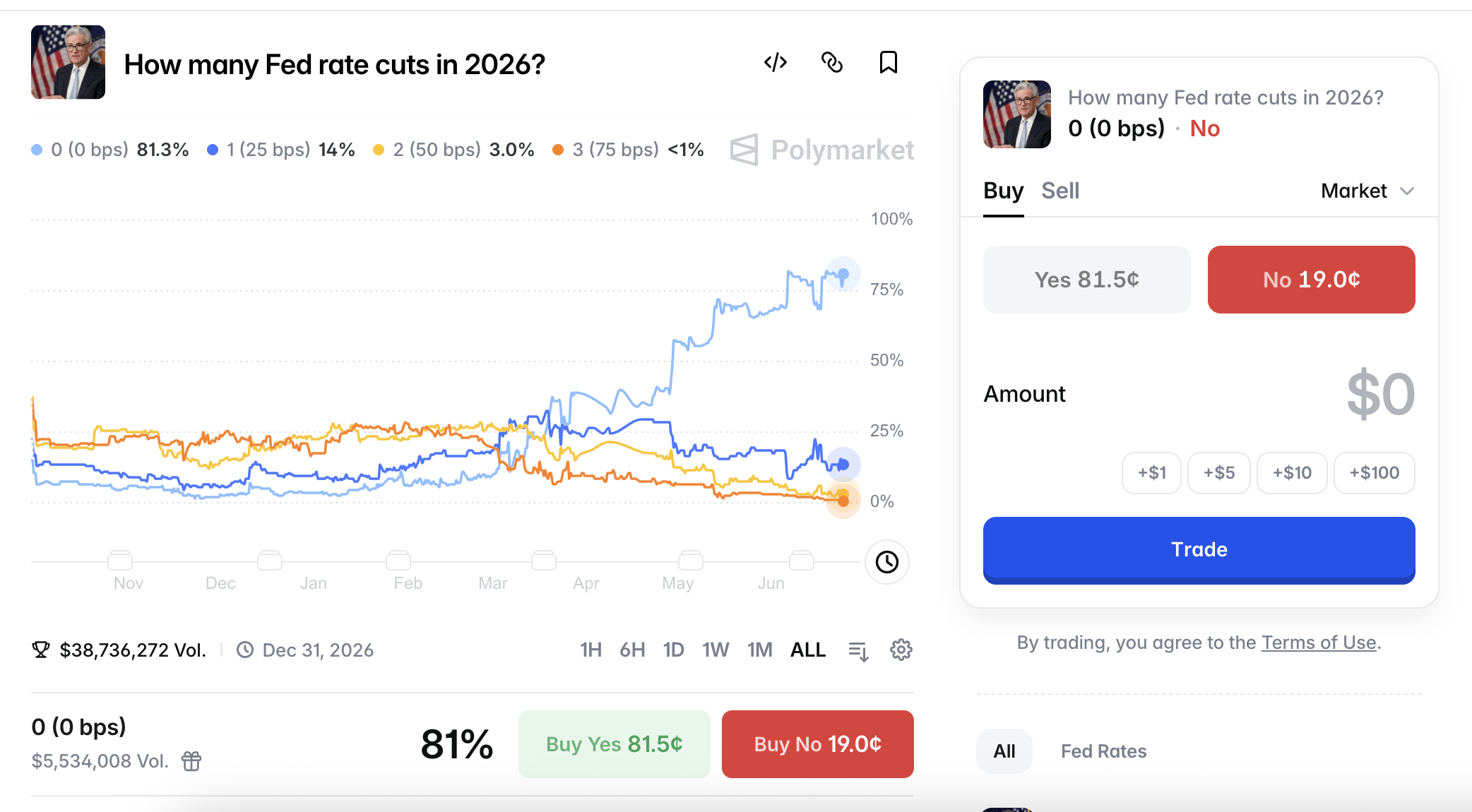
A prediction market lets you trade on the outcome of a real world event. Each contract poses a yes or no question, for example whether Canada's inflation rate will rise in a given quarter, and settles at $1 if the answer turns out to be yes or $0 if it turns out to be no. The price of a contract before settlement reflects the market's collective view of the probability. A contract trading at $0.70 implies the market sees about a 70% chance the event resolves yes. You can buy or sell before settlement, so a position can be closed early as new information moves the price. That mechanic is why these contracts behave more like short term derivatives than like owning a stock.
What can you trade on Wealthsimple Predict, and what is off limits?
CIRO's approval covers three categories, and Wealthsimple Predict stays inside them:
Economic indicators, such as inflation readings, GDP releases, unemployment figures, and housing data.
Financial markets, such as major index levels like the TSX Composite, gold and commodity thresholds, and currency moves.
Climate events, such as temperature and precipitation measures drawn from official datasets. What you cannot trade is just as important. Sports and politics, the two most popular prediction categories in the United States, are excluded. That is not a marketing decision, it is the boundary of what Canadian regulators have authorized so far.
Why does every contract run for at least 30 days?
The 30 day floor is the most Canadian detail in the whole launch. Short term binary options, contracts with a term under 30 days, have been illegal to offer to individuals in Canada since December 12, 2017, when the Canadian Securities Administrators brought in Multilateral Instrument 91-102 to shut down a wave of binary options fraud. CIRO's event contract framework, approved in March 2026, treats these contracts as futures, a type of derivative, and only permits a settlement period of 30 days or longer. That is why you will not find a same day bet on today's TSX close. Every Wealthsimple Predict contract has to sit at or beyond that 30 day line.
How is Wealthsimple Predict different from Interactive Brokers?
Wealthsimple is not first. Interactive Brokers was the only CIRO authorized firm offering event contracts to Canadians before this, through the US exchange ForecastEx. The real difference is who each product is built for. Interactive Brokers serves sophisticated, active traders who are comfortable on a dense professional platform. Wealthsimple Predict is built for the retail audience that met commission free trading through Wealthsimple in the first place, with a clean standalone app, mandatory onboarding education, and risk warnings built into the interface. If you want to weigh the two platforms on everything else they do, our Interactive Brokers review and our side by side broker comparison lay it out.
Do most prediction market traders actually make money?
Here is the part the marketing will not lead with. The best available evidence on retail prediction trading is discouraging. A March 2026 study of Polymarket by researchers at ESSEC Business School, HEC Montréal, and the University of Toronto looked at 1.4 million users and about US$20 billion in trading volume between November 2022 and March 2026. The findings: 70.8% of users ended the period in the red, the top 1% of traders captured 84% of all the gains, and the median user lost about US$2 overall. In plain terms, a small group of sharp traders takes most of the money, and the typical participant does not come out ahead.
Two caveats matter. Polymarket is a different platform, crypto based and heavy on the sports and politics markets that Wealthsimple Predict will not carry, and the study is a working paper rather than peer reviewed. But the underlying pattern, that a few informed traders win while most retail traders lose, shows up across speculative markets. Charles Martineau, a University of Toronto finance professor and a co-author, has been blunt that unless you are unusually skilled or lucky, the expected outcome is a loss.
Who can use it, and what guardrails are built in?
Access requires a Know Your Client process, the same identity and suitability standard Wealthsimple uses for self directed brokerage accounts, including questions about employment and income. Education is built into the flow, including a guided walkthrough of a client's first trade. The app also surfaces disclosures as you go: trading risk reminders, how and when a contract resolves, a reminder that positions can be sold before settlement, and liquidity warnings on thinner, low activity markets. Wealthsimple has framed its role as informing rather than restricting users, which puts the responsibility for position sizing and risk squarely on you.
The bottom line
Wealthsimple Predict is a well designed, properly regulated on ramp to a product that most people lose money on. Both things are true at once. The app is better built and better explained than the offshore platforms Canadians have reached through VPNs, and that is worth something. It does not change the math that the median participant comes out behind. Treat it as what it is: speculation with money you can afford to lose, not a wealth building strategy. If you want to put a small, defined amount on a view about inflation or the TSX, it is a clean way to do that. For actually growing your money, low cost index funds in your TFSA and RRSP still beat trying to out trade a prediction market. If you want to try it, you will need a Wealthsimple account, and you can open a Wealthsimple account directly, then check current sign up offers on our bonuses page. If you are choosing a broker for real investing rather than speculation, start with our guide to choosing a Canadian online broker. Broker Guide Canada may earn a commission through affiliate links. This does not influence our editorial rankings. See our full disclosure.
FAQs
When does Wealthsimple Predict launch?
Wealthsimple announced the app on June 18, 2026, with a beta version already running and a full public launch planned for summer 2026. Wealthsimple has not committed to a specific calendar date as of this writing.
Is prediction market trading legal in Canada?
Yes, within limits. CIRO authorized event and forecast contracts in March 2026, regulated as futures, with a settlement period of 30 days or longer. Short term binary options, those under 30 days, remain banned for individuals under a 2017 Canadian Securities Administrators rule.
What can you trade on Wealthsimple Predict?
Three categories: economic indicators like inflation and GDP, financial markets like major index levels and commodities, and climate measures like temperature and precipitation. Each contract is a yes or no question that settles at $1 or $0.
Can you bet on elections or sports with Wealthsimple Predict?
No. Politics and sports, the most popular prediction categories in the United States, fall outside what Canadian regulators have approved. Wealthsimple Predict is limited to economic, financial, and climate contracts.
How much does Wealthsimple Predict cost?
Wealthsimple has not published a fee schedule for Predict as of this writing. Confirm pricing directly with Wealthsimple before trading, since prediction platforms typically earn through a spread or a per contract charge.
Is Wealthsimple Predict a good way to invest?
It is better understood as speculation or gambling rather than investing. Research on comparable retail prediction trading shows most participants lose money over time. For long term wealth building, diversified low cost funds held in registered accounts remain the stronger choice.
