Best Copper Stocks and ETFs in Canada (2026)
For one-ticket copper exposure, the only Canadian-listed pure-play is COPP (Global X Copper Producers), though it costs around 1% a year. The larger, cheaper US-listed COPX (Global X Copper Miners, 0.65%) is the deeper alternative if you can handle a currency conversion. For single stocks, the TSX producers are Teck, First Quantum, Lundin, Ivanhoe, Hudbay, Capstone, Ero, and Taseko.
Why copper in 2026?
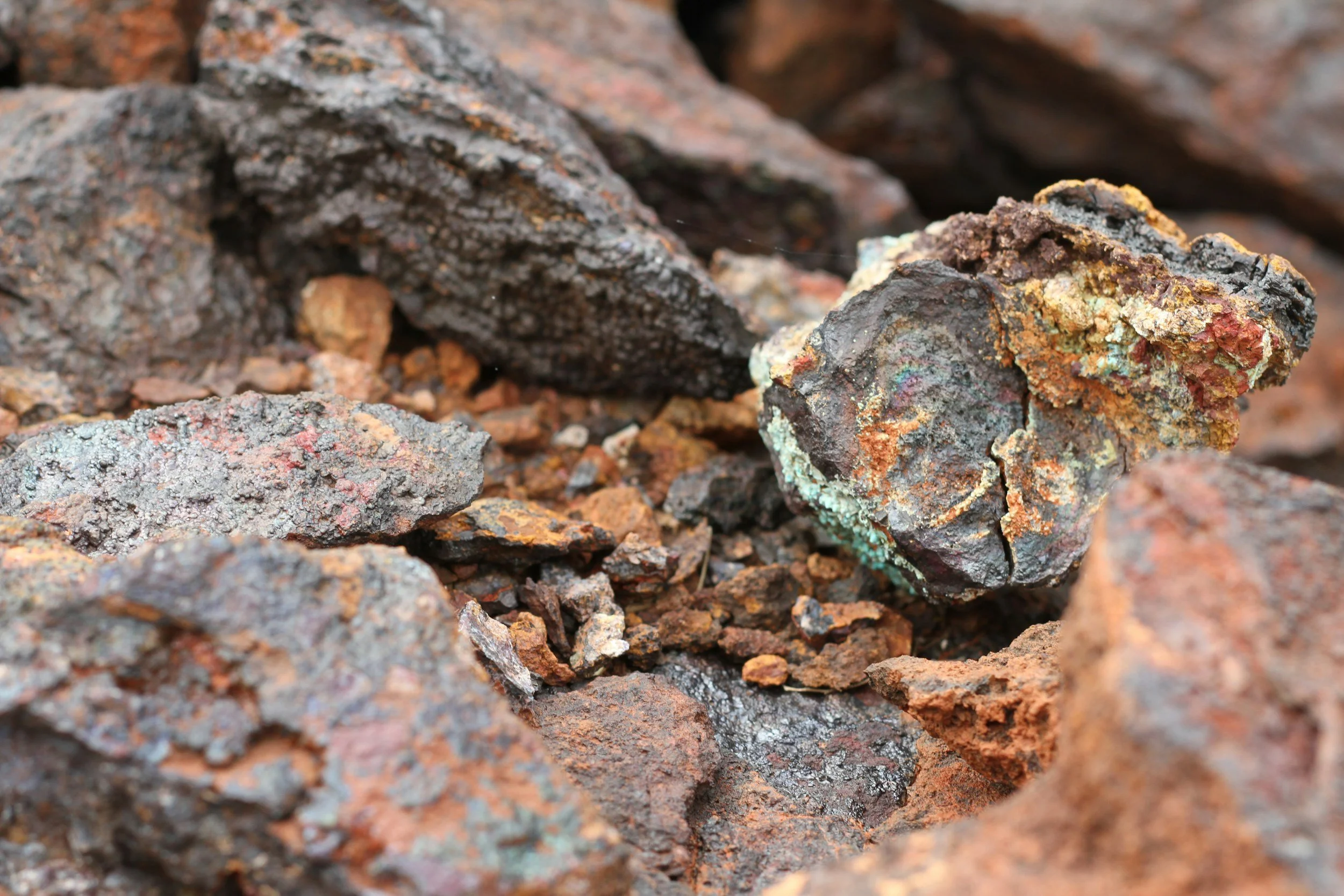
Copper traded around US$6.30 per pound in mid-June 2026, near multi-year highs, after a strong run driven by electrification, the AI data-centre build-out, grid investment, and electric vehicles colliding with constrained mine supply. New copper mines take a decade or more to permit and build, so supply struggles to keep pace. The metal slipped below US$6.30 on June 11 as Middle East tensions and the prospect of central bank rate increases weighed on industrial metals, a reminder that copper, nicknamed "Dr. Copper" for tracking the economy, is cyclical.
Supply is concentrated. Per the US Geological Survey's 2026 summary, Chile produced about 24% of mined copper, the Democratic Republic of Congo about 15% (overtaking Peru), and Peru about 12%. A pending US decision on refined-copper import tariffs has also widened the gap between COMEX and London prices, adding another layer of volatility.
Is there a copper ETF in Canada?
Yes, one pure-play. The Global X Copper Producers Index ETF (TSX: COPP), launched in 2022 as Canada's first copper equities ETF, holds North American listed copper producers and carries an MER around 1.0%. That is steep for an equity ETF. One caution: the ticker COPP on the Nasdaq is a completely different fund (a Sprott product), so make sure you are buying the Toronto listing.
The deeper and cheaper option is US-listed. The Global X Copper Miners ETF (NYSE Arca: COPX) holds global copper miners, runs roughly US$8 billion in assets, and charges 0.65%. It trades in US dollars, so a Canadian buyer pays a currency conversion. For exposure to the copper price itself rather than miners, the United States Copper Index Fund (NYSE Arca: CPER) tracks copper futures.
What are the best copper stocks in Canada?
For single-stock exposure, the TSX is unusually deep in copper. The names below are producers, not explorers, listed with the role each plays in a copper portfolio. Note that Ivanhoe Mines (IVN) is separate from the smaller Ivanhoe Electric (IE).
Copper is cyclical and a single mine can swing a producer's year, as wildfire evacuations, social unrest, and a major mine on care and maintenance all showed across the sector recently. A producer ETF like COPP or COPX spreads that single-asset risk, while individual stocks concentrate it in exchange for more upside. If you buy the US-listed funds, account for the currency conversion on the way in and out.
How do I buy copper stocks and ETFs?
You need a self-directed brokerage account. COPP and every TSX-listed producer above trade commission-free at the major Canadian brokers, so Wealthsimple or Questrade handle the Canadian-listed names well. For the US-listed funds (COPX, CPER), the currency conversion is where costs hide, and Interactive Brokers converts CAD to USD for a small fraction of what most brokers charge. Weigh the trade-offs on the master comparison table, and check the current sign-up promotions before you open an account.
COPP and the TSX-listed producers are eligible in a TFSA, RRSP, FHSA, and other registered accounts, which shelters capital gains. US-listed funds like COPX are also eligible but add a currency-conversion cost.
Related reading: the best critical minerals stocks and ETFs and the best gold stocks and ETFs in Canada.
The bottom line
A producer ETF spreads the risk across the sector, while a basket of individual miners concentrates it for more upside. For most investors, COPP or COPX as a core plus one or two producers is plenty. Either way, copper is cyclical, so size the position for the swings rather than the headlines. When you are ready, open an account with Wealthsimple, Questrade, or Interactive Brokers, and check the current promotions before you sign up.
Broker Guide Canada may earn a commission through affiliate links. This does not influence our editorial rankings. See our full disclosure.
FAQs
Is there a pure copper ETF in Canada?
Yes. The Global X Copper Producers Index ETF (TSX: COPP) is the only Canadian-listed pure-play, holding copper producers in Canadian dollars. It costs around 1% a year. Many investors instead use the cheaper US-listed COPX and accept the currency conversion.
COPP or COPX, which is better?
COPP is simpler for a Canadian since it trades in CAD and skips the FX step, but its MER near 1.0% is high. COPX charges 0.65%, is far larger and more liquid, and holds global miners, at the cost of a currency conversion. For a small position, COPP's convenience may win. For a larger long-term holding, COPX's lower fee usually does.
What is the best copper stock in Canada?
There is no single answer, because each name plays a different role. First Quantum offers the most torque and the most risk, Hudbay the steadiest cash flow, Capstone a production ramp, and Teck the most diversified base. Many investors hold a mix rather than one.
Why is the copper price rising?
Demand from electrification, EVs, the grid, and AI data centres is outrunning new supply, since copper mines take many years to build. Concentrated production in a few countries and trade-policy uncertainty add volatility on top of that structural tightness.
Can I hold copper stocks in a TFSA or RRSP?
Yes. COPP and the TSX-listed producers are eligible in registered accounts, which shelters capital gains. US-listed funds like COPX are also eligible but add a currency-conversion cost.
