Best Gold Stocks and ETFs in Canada (2026)
For most Canadians, the simplest gold exposure is a low-cost bullion ETF such as ZGLD, KILO, CGL, or PHYS, which tracks the metal directly. For leveraged upside, a miner ETF like XGD or ZGD, or blue-chip stocks Agnico Eagle, Barrick, Wheaton, and Franco-Nevada. Hold any of them inside a TFSA or RRSP.
Why is everyone buying gold in 2026?
Gold traded near US$4,080 per ounce on June 11, 2026, up roughly 25% over the prior year after a record-setting run through 2025. The drivers were heavy central bank buying, currency and inflation concerns, and geopolitical stress. The metal pulled back close to 9% in the week to June 11 as a Middle East energy shock pushed inflation expectations higher and markets priced in possible rate increases, a reminder that gold is volatile even in a bull market. J.P. Morgan Global Research has projected gold could average around US$6,000 by late 2026, which is a forecast, not a guarantee.
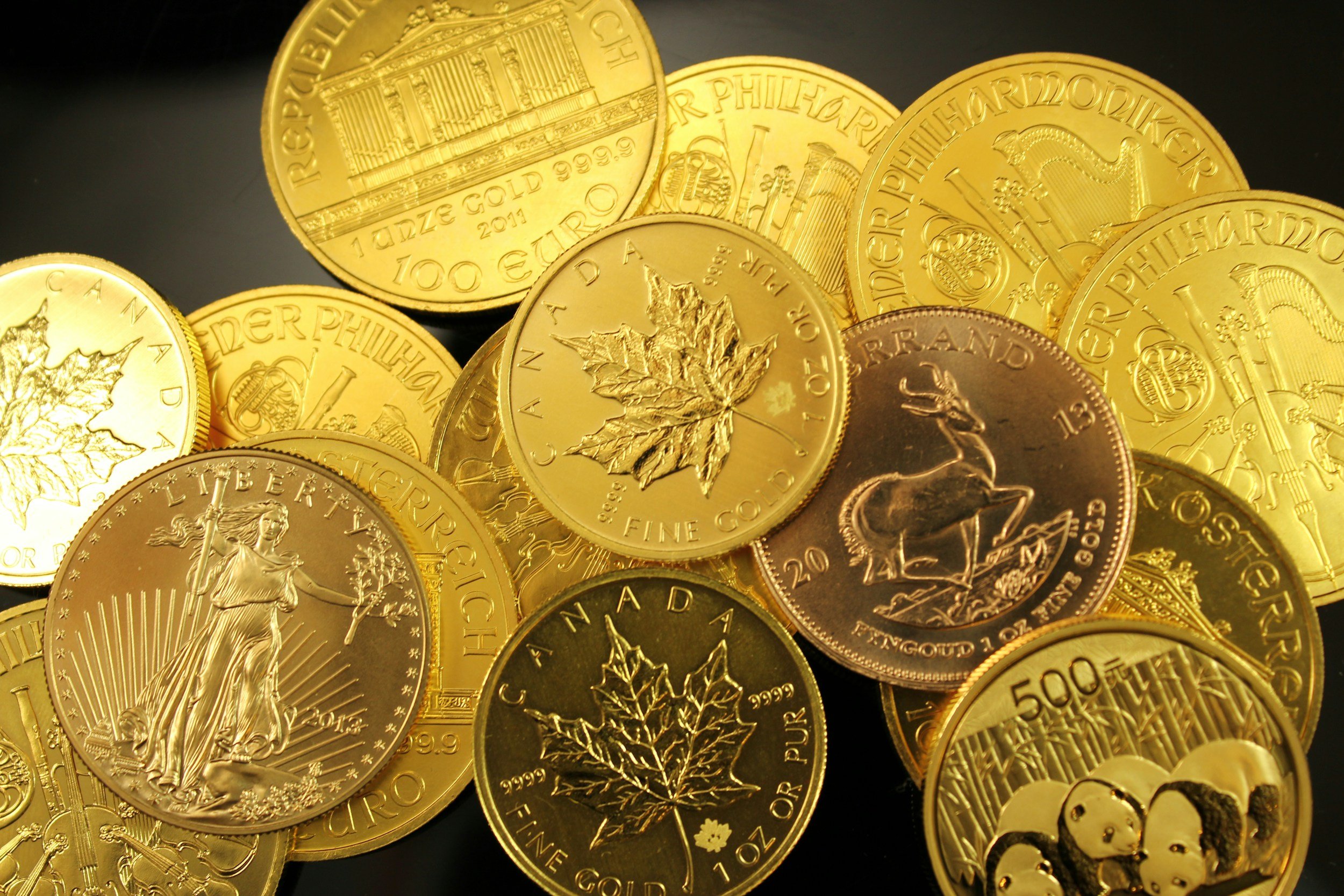
Most financial planning research suggests gold belongs at roughly 5 to 10% of a portfolio as a diversifier and inflation hedge. Beyond that, its lack of yield (no dividends, no earnings) becomes a drag versus equities.
What is the best way to buy gold in Canada?
There are three routes, in rough order of how directly they track the gold price. Bullion ETFs hold physical gold (or, in one case, futures) and move almost one-for-one with the spot price, the lowest cost and no company risk. Miner ETFs and stocks own the companies that dig gold up, which adds leverage because margins expand fast when gold rises, but also operating, geopolitical, and cost risk. Royalty and streaming companies like Franco-Nevada and Wheaton finance mines in exchange for a cut of production, capturing much of gold's upside with lower operational risk.
What are the best gold ETFs in Canada?
The cleanest way to own gold is a Canadian-listed bullion ETF. Cost matters more than branding when every fund tracks the same metal, so the management expense ratio (MER) is the number to watch.
If the goal is a pure, cheap bet on the metal, ZGLD and KILO lead on cost. PHYS appeals to investors who value a structure redeemable for physical bars. For leverage to a rising gold price, XGD is the default miner ETF, while ZGD spreads risk more evenly across the sector instead of leaning on the largest two names.
What are the best gold stocks in Canada?
Single stocks add company-specific risk but offer dividends, growth, and more torque than bullion. The TSX hosts several of the largest gold names in the world. Note that Barrick changed its name to Barrick Mining Corporation in May 2025 and now reports gold and copper. Its New York ticker is now B, but on the Toronto Stock Exchange it still trades as ABX.
Producers give the most leverage to the gold price and the most operating risk. Royalty and streaming names trade at premium valuations for a reason: they capture much of the upside while avoiding mine-level cost blowouts.
How do I actually buy gold ETFs or stocks?
You need a self-directed brokerage account. Every ETF and stock above trades on the Toronto Stock Exchange, so any Canadian broker can buy them commission-free or close to it. For beginners, Wealthsimple is the fastest to set up with $0 trades. Questrade covers every registered account type. If you ever buy US-listed gold funds, Interactive Brokers has by far the cheapest currency conversion. Compare every option on the master comparison table, or start with how to choose a Canadian online broker. Before you open anything, it is worth a look at the current sign-up promotions, since a timed bonus can be worth more than a small fee difference in year one.
Gold ETFs and stocks are eligible in a TFSA, RRSP, FHSA, and other registered accounts, which shelters any capital gains and the small distributions miners pay. Bullion ETFs pay no dividends, so there is no foreign withholding tax to worry about, but US-listed gold funds trigger CAD/USD conversion costs. Canadian-listed options like ZGLD, KILO, CGL, and XGD avoid that friction entirely.
For exposure to the wider electrification trade, see the companion guides on the best critical minerals stocks and ETFs and the best copper stocks and ETFs in Canada.
The bottom line
For a clean bet on the metal, buy a low-cost bullion ETF like ZGLD or KILO and hold it in a registered account. If you want leverage, add a miner ETF such as XGD or a blue-chip producer, and keep it to a satellite position. The hard part is not the product, it is sizing gold to a sensible share of your portfolio and resisting the urge to chase it after a sharp run. When you are ready, open an account with Wealthsimple, Questrade, or Interactive Brokers, and check the current promotions before you sign up.
Broker Guide Canada may earn a commission through affiliate links. This does not influence our editorial rankings. See our full disclosure.
FAQs
Can I hold gold in a TFSA or RRSP?
Yes. Gold ETFs and gold stocks are eligible in TFSA, RRSP, FHSA, and other registered accounts. Holding them in registered accounts shelters any capital gains and the small distributions miners pay.
Is a bullion ETF better than physical gold?
For most investors, yes. A bullion ETF removes storage, insurance, and the wide buy-sell spread on physical coins and bars, while tracking the same price. Physical metal makes sense only if you specifically want to hold it in hand. PHYS and KILO offer redemption for physical gold for larger holders.
Should I buy gold bullion or gold miners?
Bullion tracks the metal with no company risk. Miners amplify gold price moves in both directions, since their profit margins expand and contract faster than the spot price. A common approach pairs a bullion ETF as the core with a smaller miner position for upside.
How much of my portfolio should be in gold?
Most planners suggest 5 to 10% as a diversification and inflation hedge. Gold pays no income, so a larger allocation tends to drag long-run returns versus a diversified equity portfolio.
Are gold ETFs safe?
Canadian-listed gold ETFs are backed either by physical bullion in audited vaults or by a basket of listed miners. They carry market risk, the gold price and equity prices move, but not the counterparty risk of holding gold with an unregulated dealer.
.
