Best Critical Minerals Stocks and ETFs in Canada (2026)
Canada has one listed pure-play critical minerals ETF, XETM (iShares S&P/TSX Energy Transition Materials), a single-ticket basket of copper, uranium, lithium, nickel, and rare earth names. For single stocks, the established TSX names span uranium (Cameco, NexGen), copper (Teck, First Quantum, Lundin), nickel (Canada Nickel, Sherritt), and rare earths (Neo Performance, Energy Fuels).
What counts as a critical mineral?
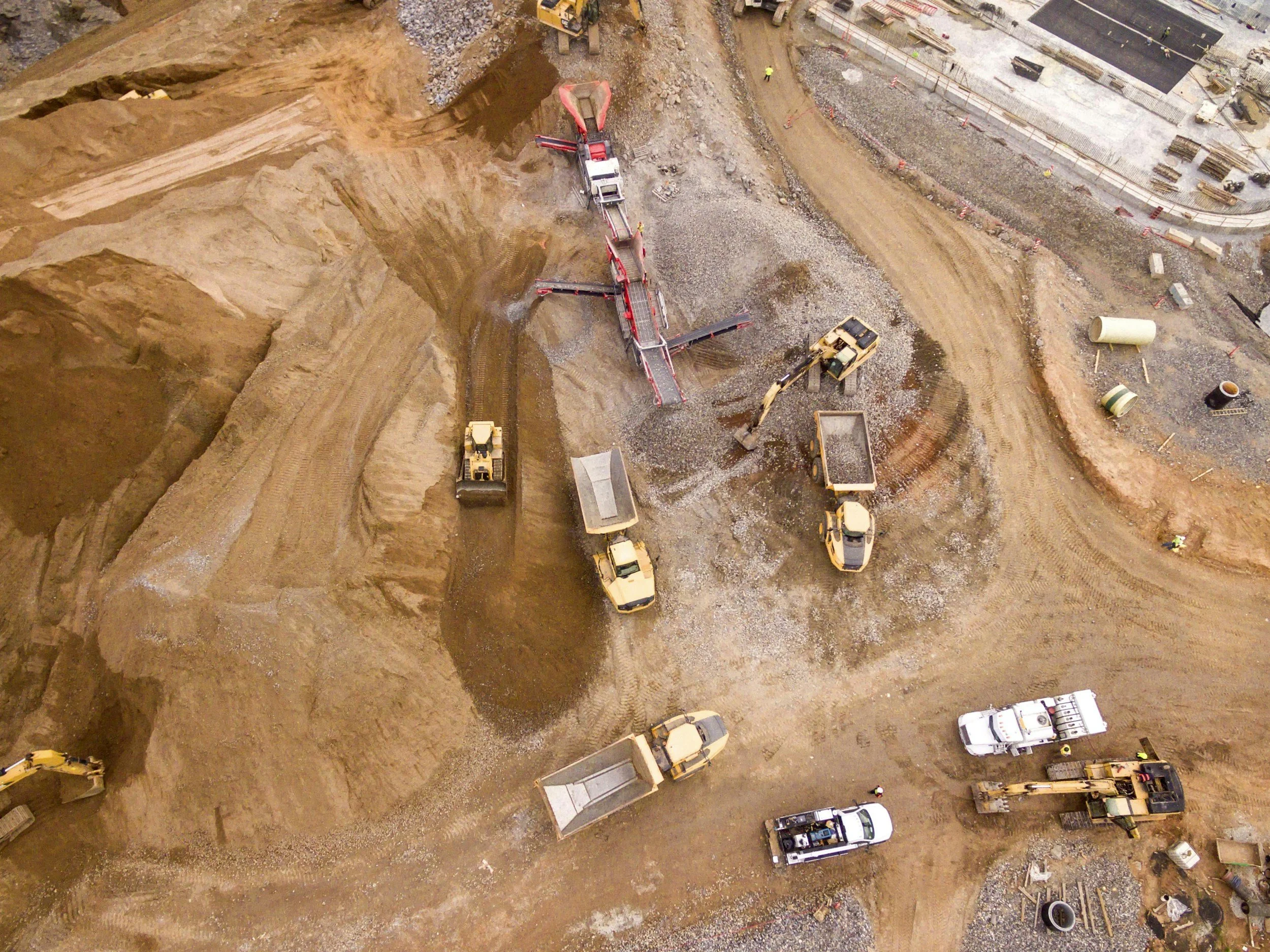
Canada's federal Critical Minerals List includes lithium, nickel, cobalt, graphite, copper, rare earth elements, and uranium, among others. These are the inputs for batteries, electric vehicles, wind turbines, the power grid, defense hardware, and the data centres behind the AI build-out. The investment case rests on a structural supply gap meeting surging demand, plus a Western push to move supply chains out of China.
That policy tailwind intensified in 2026. In early February, the United States unveiled a critical minerals strategy backed by roughly US$10 billion in financing to stockpile more than 50 minerals, and a 54-nation Critical Minerals Ministerial convened in Washington. Canada participated and continues to fund projects through its own Critical Minerals Strategy. The catch for investors: this is a volatile, headline-driven sector where most early-stage names never reach production.
Is there a critical minerals ETF in Canada?
There is one Canadian-listed pure-play. The iShares S&P/TSX Energy Transition Materials Index ETF (TSX: XETM) holds roughly 60 companies that mine or process energy-transition metals, carrying a management fee around 0.55%. In practice it is dominated by copper and uranium producers plus Teck Resources, so it behaves more like a base-metals-and-uranium fund than an even spread across every battery metal. It is also a small, niche fund with thinner trading volume than mainstream ETFs, something to weigh before placing large orders.
For broader or more targeted exposure, two US-listed funds are accessible through most Canadian brokers. Buying them means a CAD/USD conversion, so currency cost matters.
What are the best critical minerals stocks in Canada?
The TSX is one of the deepest critical minerals markets in the world. The names below lean toward established producers and well-funded developers rather than speculative juniors. They are grouped by metal, not ranked, because each sub-sector behaves differently.
Critical minerals is the highest-risk corner of the resource market. Most early-stage lithium, nickel, graphite, and rare earth developers do not pay dividends and many will never reach production. The lower-risk approach concentrates on producers and advanced developers with strong balance sheets and assets in stable jurisdictions, and treats junior explorers as small, speculative positions. Uranium sits on the critical minerals list but trades on its own supply-and-demand cycle, so many investors handle it as a separate sleeve.
How do I buy critical minerals stocks and ETFs?
You need a self-directed brokerage account. XETM and every TSX-listed name above trade commission-free at the major Canadian brokers, so for Canadian-listed exposure, Wealthsimple or Questrade both work well. The US-listed funds (SETM, REMX) require a currency conversion, where Interactive Brokers charges a fraction of what most brokers do on FX. See the master comparison table for the details that matter, and check the current sign-up promotions before you open an account.
These holdings are eligible in a TFSA, RRSP, FHSA, and other registered accounts, which shelters gains. US-listed ETFs are also eligible but add a currency-conversion cost on the way in and out.
Related reading: the best copper stocks and ETFs and the best gold stocks and ETFs in Canada.
The bottom line
For most investors, the simplest way into critical minerals is the XETM basket plus a few established producers, sized as a satellite position rather than the core of a portfolio. Leave the speculative juniors small, and treat uranium as its own sleeve if you want exposure to it. When you are ready, open an account with Wealthsimple, Questrade, or Interactive Brokers, and check the current promotions before you sign up.
Broker Guide Canada may earn a commission through affiliate links. This does not influence our editorial rankings. See our full disclosure.
FAQs
Is uranium a critical mineral?
Yes. Uranium appears on both the Canadian and US critical minerals lists. It is included here through Cameco, NexGen, and Denison, though its price cycle is distinct from battery metals, so many investors treat it separately.
What is the single best critical minerals ETF for a Canadian?
For one-ticket, Canadian-dollar exposure, XETM is the only listed pure-play. Just understand it is concentrated in copper and uranium producers rather than evenly spread across every battery metal, and it trades thinly.
Are critical minerals stocks high risk?
The developers and explorers are among the most volatile equities on the exchange, driven by commodity prices, financing, permitting, and headlines. Established producers like Cameco, Teck, and Lundin are far steadier than pre-revenue juniors.
Can I hold these in a TFSA or RRSP?
Yes. TSX-listed critical minerals stocks and XETM are eligible in registered accounts, which shelters gains. US-listed ETFs are also eligible but add a currency-conversion cost on the way in and out.
Should I buy a junior explorer?
Only with money you can afford to lose, and as a small slice of a position. The realistic filter is near-term production or advanced feasibility, a funded balance sheet, and a project in a stable jurisdiction.
